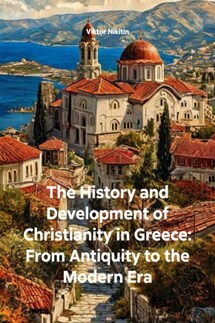
The History and Development of Christianity in Greece: From Antiquity to the Modern Era
Этот рассказ погружает нас в многообразную историю христианства в Греции, прослеживая его истоки с византийской эпохи и до нашего времени, когда страна переживала османское владычество, борьбу за национальную независимость и современные вызовы. Он акцентирует внимание на стойкости православной веры, которая сохранялась даже в условиях иностранного господства, социальных преобразований и политических потрясений.
Особое значение имеет роль Церкви, монашества и духовного возрождения, которые оставались важными опорами в обществе, несмотря на тенденции секуляризации и всевозможные конфликты. Само христианство в Греции не только переживало кризисы, но и адаптировалось к ним, внося уникальный вклад в культурное наследие страны.
С начала новых времен и до наших дней православие стало не просто религиозной практикой, но и важным элементом национальной идентичности. Это глубокое духовное чувство помогло грекам объединиться в моменты трудностей, таких как войны и экономические кризисы, и стало символом надежды для бешено изменяющегося общества. Храмы и монастыри не только являются архитектурными шедеврами, но и хранят в себе множество историй и традиций, передаваемых из поколения в поколение.
Таким образом, история христианства в Греции служит не только воспоминанием о прошлом, но и живой нитью, связывающей прошлое с настоящим.
Особое значение имеет роль Церкви, монашества и духовного возрождения, которые оставались важными опорами в обществе, несмотря на тенденции секуляризации и всевозможные конфликты. Само христианство в Греции не только переживало кризисы, но и адаптировалось к ним, внося уникальный вклад в культурное наследие страны.
С начала новых времен и до наших дней православие стало не просто религиозной практикой, но и важным элементом национальной идентичности. Это глубокое духовное чувство помогло грекам объединиться в моменты трудностей, таких как войны и экономические кризисы, и стало символом надежды для бешено изменяющегося общества. Храмы и монастыри не только являются архитектурными шедеврами, но и хранят в себе множество историй и традиций, передаваемых из поколения в поколение.
Таким образом, история христианства в Греции служит не только воспоминанием о прошлом, но и живой нитью, связывающей прошлое с настоящим.
Читать бесплатно онлайн The History and Development of Christianity in Greece: From Antiquity to the Modern Era - Viktor Nikitin
Вам может понравиться:
- St. Columba: Apostle of Ireland and Scotland - Viktor Nikitin
- The Lives of the Saints of the Orthodox Church: Volume 12, December - Viktor Nikitin
- Silent Struggles: The Power of Hidden Faith in the Orthodox Life - Viktor Nikitin
- Век Филарета - Александр Яковлев
- Стояние в вере - Иоанн (Снычёв)
- Атеисты в мундирах. Советские спецслужбы и религиозная сфера Украины - Дмитрий Веденеев
- Тайны и загадки мощей чудотворца Александра Свирского - Алла Добросоцких
- Старообрядчество и церковный раскол - Игорь Родинков
- Тайны Русской Империи - Михаил Смолин
- Культ бачаты - Алекс Байхоу
- Неугомонная - Stormangel